
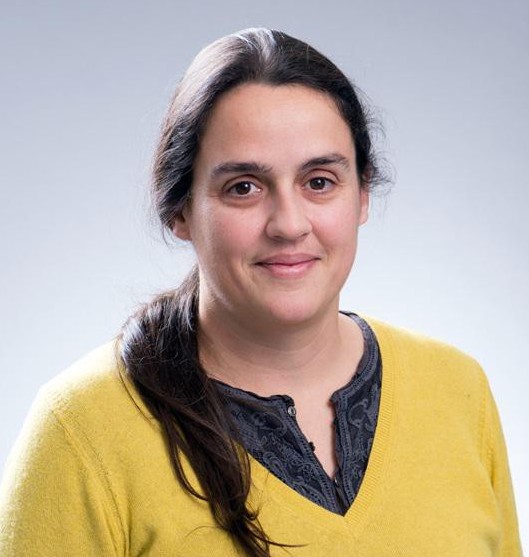
Immunotherapy for the treatment of myeloid leukemia – Prof. Caroline Arber (CHUV)
Mobilizing CAR-T cells to prevent relapses in acute myeloid leukemia patients
Prof. Caroline Arber was granted this “allocated fund” in September 2026 for 4 years
Acute myeloid leukemia is a blood cancer that can recur following a stem cell transplantation. In such cases, the therapeutic options are extremely limited, and the prognosis is particularly poor. CAR-T cell therapies have transformed the treatment of certain types of leukemia. However, no such treatment is yet available for patients with acute myeloid leukemia.
The aim of the FIAMMA project, conducted by Prof. Caroline Arber at the CHUV, is to evaluate a novel CAR-T therapy for children and adults whose disease has relapsed following a transplantation. In this project, the immune cells are modified to recognize CD70, a protein found on the surface of many leukemic cells, and to attack these cancer cells in a targeted manner.
This approach differs from other strategies in that the CAR-T cells are produced using lymphocytes donated by the family member who has already provided the stem cells used for the transplantation. Coming from a healthy donor, these cells are expected to perform better than the patient’s own cells. This approach also reduces the risk of contamination of the therapeutic product by leukemic cells.
The aim of the clinical trial is to evaluate different dosages, allowing to determine the safety of the manufacturing process and the administration of the treatment while gathering initial data on its efficacy. Eighteen subjects (6 pediatric patients and 12 adults) are to be included in the study. They will be cared for by specialized teams working at the CHUV. The scientists involved in the project will closely monitor the persistence of the CAR-T cells in the blood and bone marrow, their activity against the disease, and any potential side effects. Biological analyses will furthermore provide a better understanding of the mechanisms associated with treatment response, resistance and complications.
The ultimate goal is to provide a novel therapeutic option for patients for whom current treatments are insufficient. If the initial results are promising, the study may be expanded to include more patients with recurring or refractory acute myeloid leukemia, or even patients with other types of cancer that express the CD70 protein.