

Immunotherapies for solid tumors – Prof. Caroline Arber (CHUV)
Improving the treatment of solid tumors by equipping CAR-T cells with new receptors
Prof. Caroline Arber was granted an “allocated fund” in July 2026 for 4 years.
CAR-T cell therapies have led to significant advances in the treatment of certain types of blood cancer. However, their effectiveness remains limited when dealing with solid tumors, especially pancreatic cancer. These tumors develop a particularly protective environment in their vicinity that hinders the penetration of immune cells, weakens their action, and limits their ability to fight cancer cells durably.
The project led by Prof. Caroline Arber aims to overcome this obstacle by equipping CAR-T cells with a second receptor called TSenSER. This receptor acts like a biological sensor, recognizing certain signals present in increased numbers in the tumor environment. When it detects these signals, it boosts the activity of the CAR-T cells, helping them penetrate deeper into the tumor, resist against the mechanisms that weaken them, and maintain their effectiveness over time.
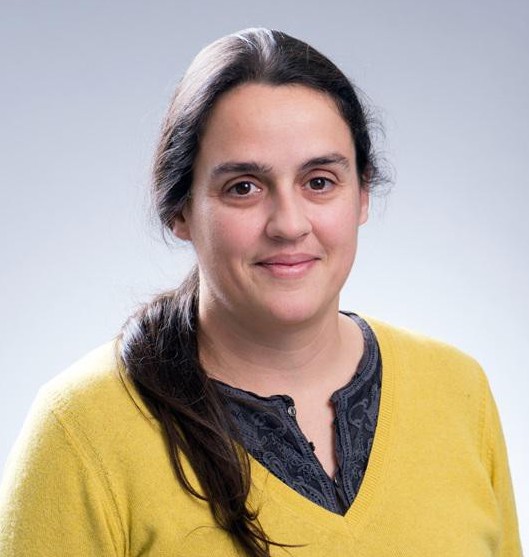
Collaborating with Prof. Patick Barth’s team at the EPFL, the scientists will use artificial intelligence and computational protein design to develop these novel receptors. Several candidates will be tested on human cells, then evaluated in various preclinical models, particularly in organoids derived from patient tumors. The goal is to identify the most promising candidates for the treatment of pancreatic cancer and other solid tumors expressing the CD70 protein.
Special attention will also be paid to safety. The modified cells only become fully active when they simultaneously recognize both the cancer cell and the characteristic signals of its environment. They also present a mechanism that allows for their elimination in the event of adverse effects.
The ultimate goal is to select the most effective setup and to prepare for its clinical development for patients with recurrent pancreatic cancer following standard treatment. This approach could then be adapted to other solid tumors with similar characteristics.