
When Digital Pathology Meets Spatial Proteomics: Toward a Transformed Precision Diagnosis for T Cell Lymphomas
Prof. Laurence de Leval (CHUV) and Prof. Raphael Gottardo (CHUV) were granted this “allocated fund” in September 2026 for 3 years. Supported with a generous contribution of the Loterie Romande.

T cell lymphomas are aggressive and rare malignant tumors, the treatment of which is considered an unmet clinical need. Their classification is complex due to their diverse histological types, cellular origins and genetics. The aim of our project is to improve diagnoses by focusing on the anaplastic, auxiliary follicular and “non-specified” entities. Using cyclic immunofluorescence (COMET™ imaging), we will exploit individual diagnostic markers in multiplex panels to map cellular phenotypes and spatial interactions in routinely processed biopsies. This course of action will replace standard immunohistochemistry and will make use of new tumor- and microenvironment-related phenotypic signatures identified using spatially resolved single-cell transcriptomics.
The aim of the project is to exploit multiplex imaging and spatial biology for more precise diagnoses, thereby paving the way for pertinent and effective clinical applications and improved patient care.
Approach
The project will integrate digital pathology and deep learning models to identify morphological characteristics in images of H&E-stained tissues by combining molecular and histological information. The aim is to generate a genetically characterized T cell lymphoma atlas validated by diagnostic experts and to analyze control lymphoid tissue samples. This approach will enable us to establish reference thresholds, identify models specific to the different lymphoma subtypes and single out actionable prognostic and therapeutic signatures.

Mobilizing CAR-T cells to prevent relapses in acute myeloid leukemia patients
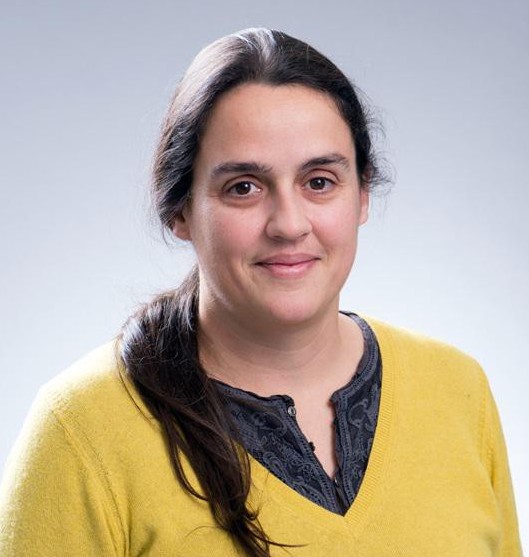
Prof. Caroline Arber was granted this “allocated fund” in September 2026 for 4 years
Acute myeloid leukemia is a blood cancer that can recur following a stem cell transplantation. In such cases, the therapeutic options are extremely limited, and the prognosis is particularly poor. CAR-T cell therapies have transformed the treatment of certain types of leukemia. However, no such treatment is yet available for patients with acute myeloid leukemia.
The aim of the FIAMMA project, conducted by Prof. Caroline Arber at the CHUV, is to evaluate a novel CAR-T therapy for children and adults whose disease has relapsed following a transplantation. In this project, the immune cells are modified to recognize CD70, a protein found on the surface of many leukemic cells, and to attack these cancer cells in a targeted manner.
This approach differs from other strategies in that the CAR-T cells are produced using lymphocytes donated by the family member who has already provided the stem cells used for the transplantation. Coming from a healthy donor, these cells are expected to perform better than the patient’s own cells. This approach also reduces the risk of contamination of the therapeutic product by leukemic cells.
The aim of the clinical trial is to evaluate different dosages, allowing to determine the safety of the manufacturing process and the administration of the treatment while gathering initial data on its efficacy. Eighteen subjects (6 pediatric patients and 12 adults) are to be included in the study. They will be cared for by specialized teams working at the CHUV. The scientists involved in the project will closely monitor the persistence of the CAR-T cells in the blood and bone marrow, their activity against the disease, and any potential side effects. Biological analyses will furthermore provide a better understanding of the mechanisms associated with treatment response, resistance and complications.
The ultimate goal is to provide a novel therapeutic option for patients for whom current treatments are insufficient. If the initial results are promising, the study may be expanded to include more patients with recurring or refractory acute myeloid leukemia, or even patients with other types of cancer that express the CD70 protein.
Improving the treatment of solid tumors by equipping CAR-T cells with new receptors
Prof. Caroline Arber was granted an “allocated fund” in July 2026 for 4 years.
CAR-T cell therapies have led to significant advances in the treatment of certain types of blood cancer. However, their effectiveness remains limited when dealing with solid tumors, especially pancreatic cancer. These tumors develop a particularly protective environment in their vicinity that hinders the penetration of immune cells, weakens their action, and limits their ability to fight cancer cells durably.
The project led by Prof. Caroline Arber aims to overcome this obstacle by equipping CAR-T cells with a second receptor called TSenSER. This receptor acts like a biological sensor, recognizing certain signals present in increased numbers in the tumor environment. When it detects these signals, it boosts the activity of the CAR-T cells, helping them penetrate deeper into the tumor, resist against the mechanisms that weaken them, and maintain their effectiveness over time.
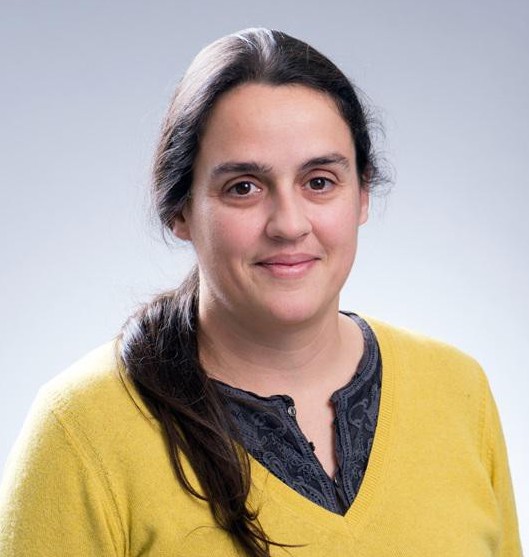
Collaborating with Prof. Patick Barth’s team at the EPFL, the scientists will use artificial intelligence and computational protein design to develop these novel receptors. Several candidates will be tested on human cells, then evaluated in various preclinical models, particularly in organoids derived from patient tumors. The goal is to identify the most promising candidates for the treatment of pancreatic cancer and other solid tumors expressing the CD70 protein.
Special attention will also be paid to safety. The modified cells only become fully active when they simultaneously recognize both the cancer cell and the characteristic signals of its environment. They also present a mechanism that allows for their elimination in the event of adverse effects.
The ultimate goal is to select the most effective setup and to prepare for its clinical development for patients with recurrent pancreatic cancer following standard treatment. This approach could then be adapted to other solid tumors with similar characteristics.
Improved integration of medical data to guide personalized oncological care
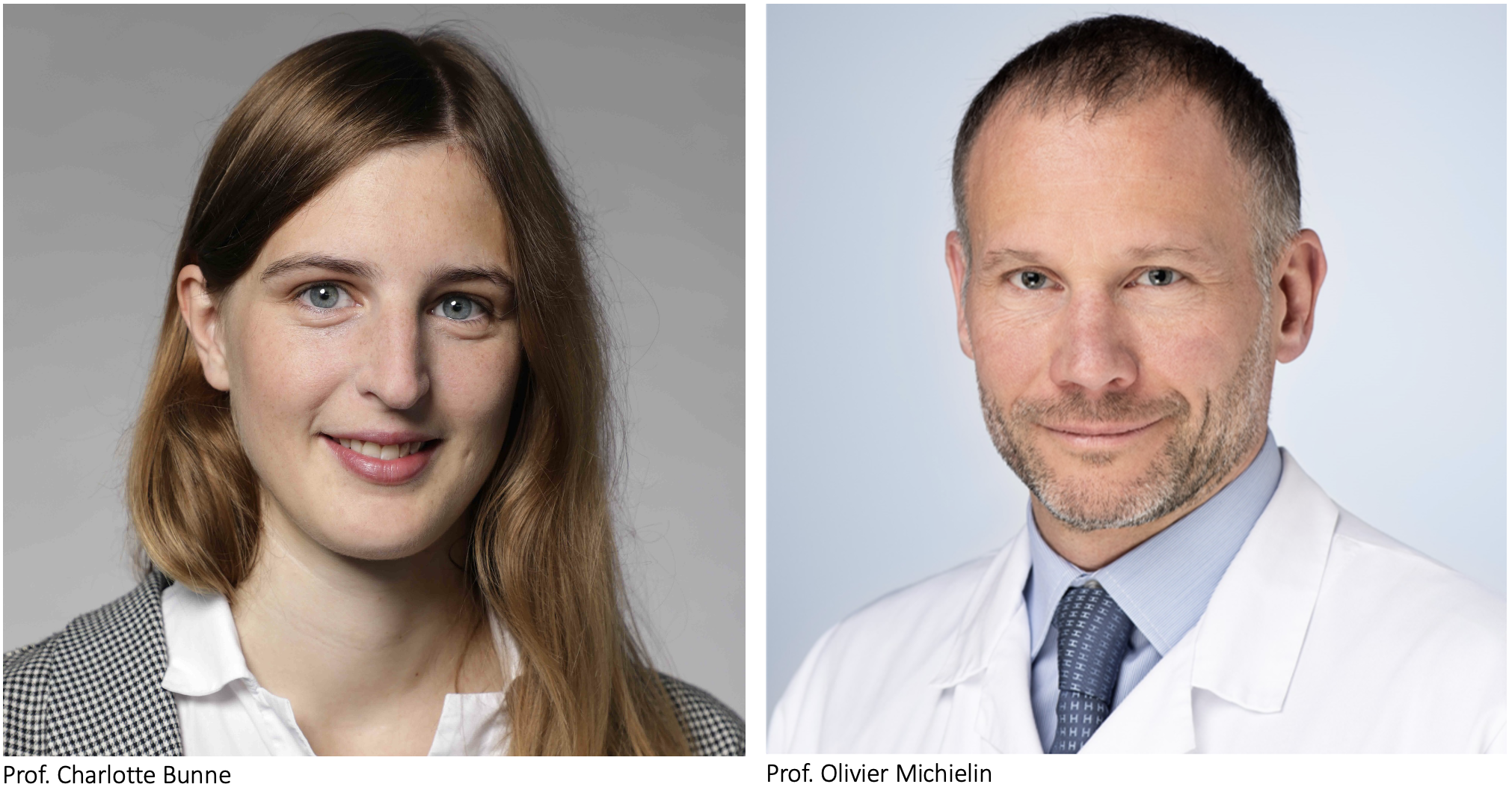
Prof. Charlotte Bunne (EPFL) and Prof. Olivier Michielin (HUG) were granted this “allocated fund” in July 2026 for 4 years. Supported with a generous contribution of the Loterie Romande.
Today, cancer diagnoses and treatments depend on a wide range of data derived from clinical records and the analysis of tissue samples, genome, proteins, and gene expression, all of which are often examined separately. Furthermore, in Switzerland this data is scattered across different hospitals, making it even more difficult to exploit. The Virtual Patient project aims to overcome this fragmentation by creating a platform based on artificial intelligence (AI). The goal is to centralize all the information and to produce comprehensive and consistent patient profiles that will help physicians better understand the disease and plan treatments.
By connecting various information sources, Virtual Patient will provide medical teams with a more accurate and coherent overview of each clinical situation.
This will help
- improve the quality and speed of diagnoses
- guide decisions for personalized treatments more effectively
- reduce the number of unnecessary tests
- coordinate care across institutions
Eventually, this approach could improve access to innovative therapeutic strategies, particularly for complex and rare types of cancer.
Approach
The platform is based on a new generation of AI models that have been trained using large volumes of diverse medical data. It integrates clinical data and common tests in the areas of histopathology, genetic sequencing, and spatial proteomics and transcriptomics. This combination enables Virtual Patient to predict missing results, identify the most useful tests, simulate treatment responses and compare each case to situations encountered in the past. Expert panels in the field of oncology (molecular tumor boards) will test the platform. The goal is to create an interactive tool that offers recommendations based on all available data, while facilitating access to relevant clinical trials or research projects.

Improving the efficacy of PSMA-Targeted radioligand therapy via radiosensitization strategies and combination treatments
This “allocated fund”, amounting to CHF 150’000, was awarded to Hélène Koch for two years in December 2025. Supported with the generous contribution of the LARDECO Foundation.
PSMA-targeted radioligand therapy (PSMA-RLT) has emerged as a cornerstone in the treatment of metastatic castration-resistant prostate cancer (mCRPC). While landmark clinical trials have demonstrated significant survival benefits, treatment resistance remains a major limitation. Up to 30% of patients show primary resistance, and the majority of initial responders relapse within months, reflecting the profound adaptability of prostate cancer cells and the activation of compensatory radioresistance pathways.
Preclinical and clinical studies have shown that inhibition of single resistance pathways can enhance the efficacy of PSMA-RLT, but complete and durable remissions have remained elusive. This project is designed to address this unmet need by systematically evaluating radiosensitization strategies that target complementary resistance mechanisms either individually or in combination. In a stepwise approach, we will employ xenograft models with robust endogenous PSMA expression, integrating survival studies with in-depth ex vivoanalyses to characterize treatment-induced changes in tumor biology. Radiosensitizers, chosen among already clinically approved drugs, will be administered in clinically relevant dosing schemes to assess their capacity to relieve hypoxia, disrupt repair signaling, and destabilize pro-survival pathways.

Synergistic regimens will be identified through iterative testing in vivo, and subsequently validated in an immunocompetent allograft model, providing critical insight into both tumor-intrinsic and microenvironmental contributions to resistance. The anticipated outcome is a set of rational, mechanism-informed radiosensitization regimens that markedly enhance the durability of tumor control by PSMA-RLT.
By integrating biological characterization, imaging biomarkers, and translational infrastructure, the project aims not only to improve treatment efficacy in prostate cancer but also to establish a generalizable framework for combination radiotheranostics. Clinically, this work is expected to extend survival and improve quality of life for patients with advanced prostate cancer, while reducing the need for late-line toxic therapies. The insights gained will provide the basis for early-phase clinical trials and may ultimately transform PSMA-RLT from a variably effective therapy into a precision-guided platform capable of overcoming radioresistance at its roots.
Translational research project on the deconstruction of the spatial architecture of early-stage melanoma response to neoadjuvant PD-1 immunotherapy
This “allocated fund”, made possible by a generous contribution of the ORFEO Foundation, was granted to Dr. Krisztian Homicsko (CHUV),
Prof. Raphael Gottardo (UNIL) and Dr. Pierre Moulin (CHUV) in December 2024 for one year.
The landscape of immunotherapies is evolving rapidly, progressing from metastatic to adjuvant and, more recently, to the neoadjuvant setting. In melanoma, neoadjuvant immunotherapies have demonstrated excellent responses and promising long-term outcomes. Both monotherapy and combination immunotherapies have shown efficacy, yet it remains unclear which patients benefit more from one approach over the other. To date, no single biomarker reliably distinguishes patients who will experience clinical benefit, or determines the most appropriate treatment strategy.
Given the complexity of the tumor microenvironment, we aim to investigate the spatial architecture of melanoma tumors before and after neoadjuvant immunotherapy, leveraging digital pathology and single-cell spatial transcriptomics. Our approach integrates multiple modalities, combining lower-complexity assays such as H&E staining and multiplex immunohistochemistry with high-resolution spatial transcriptomics. This strategy not only enhances our understanding of the tumor microenvironment, but also facilitates the identification of potential biomarkers.
Moreover, we aim to translate biomarkers discovered through spatial transcriptomics into conventional pathology imaging methods, ultimately validating our findings in a more widely accessible clinical setting.
Enhancing CAR-T Cell therapy for refractory multiple myeloma
In December 2024, this “allocated fund”, amounting to CHF 100’000, was granted to Prof. Carsten Riether and Dr. Marc Wehrli for one year.
Chimeric antigen receptor (CAR) T cells represent a significant advancement in cancer immunotherapy, especially for blood cancers. This treatment involves genetically modifying a patient’s T cells to express engineered receptors that more effectively eliminate cancer cells. Recent advances focus on enhancing the effectiveness of CAR-T cell therapy for patients with relapsed or refractory multiple myeloma (MM).
MM is a type of blood cancer that originates from malignant plasma cells in the bone marrow. Despite recent advancements in treatments, MM remains a challenging disease due to its recurrent nature. B-cell maturation antigen (BCMA) targeting CAR-T cell therapy has demonstrated effectiveness, but its benefits are often short-lived.
This research seeks to identify specific surface proteins that could enhance the performance of BCMA CAR T cells. We will be conducting an analysis of blood samples from 20 patients. This group includes 10 patients who are either experiencing progressive or stable disease following CAR-T therapy and 10 patients who have achieved a complete response. Blood samples will be collected at various intervals. Our aim is to isolate anti-BCMA CAR-T cells from these samples to perform a CRISPR screening. This screening will target surface proteins that have been identified through advanced techniques in single-cell RNA sequencing. Ultimately, this study aims to identify surface proteins that enhance the persistence of CAR-T cells in multiple myeloma. This identification will lay the foundation for the next generation of BCMA CAR-T cell therapies, which could significantly improve patient outcomes.
Multisystem cancer biology: targeting the interplay between intra- and extracellular proteostasis
This “allocated fund” was granted to Prof. Holger Auner (CHUV) in November 2023 for 3 years.
All human cells must assemble – and later break down – the right proteins at the right time and in the right quantities. To do this, they need to use and recycle building blocks such as amino acids, and provide energy for the molecular machines that make and break down proteins. The fine-tuned orchestration of these processes represents a considerable challenge that cells must continually master, as a correct cellular “proteome” (the entire set of proteins) is essential for the proper functioning of cells and for the health of the tissues and organs in which they reside. As a result, a myriad of diseases often linked to age are linked to the inability of cells to keep the proteome in order.
Cancer cells usually grow and multiply faster than normal cells. They are therefore thought to be particularly dependent on the processes that regulate the proteome in order to keep up with high protein turnover. Disrupting these mechanisms is a promising therapeutic approach and has already led to new treatments for some cancers, such as multiple myeloma, a malignant disease of the bone marrow. Our team is working to better understand how different cancers try to keep their proteome in order, and to find ways to target these mechanisms with new drugs. One of the molecules we are interested in is called GCN2. It regulates how cells respond when their amino acid stores run low. We want to understand how to safely turn off GCN2 in cancer cells so that their proteome fails, killing them, while healthy tissue is largely spared. We know that this approach works well experimentally in some cancer cells, but not in others. One goal of our research is to identify the features that make cancer cells dependent on GCN2, which would help identify cancer patients (prior to therapy) that are likely to respond to treatments with drugs that target GCN2. To do this, we use a so-called systems biology or multi-omics approach, in which different technologies are used to study several cellular processes in parallel (e.g., to understand how cellular metabolism changes when certain genes are actively transcribed and translated into proteins). We and many others believe that such a holistic approach to molecular cancer research has great potential to identify previously unknown cancer cell vulnerabilities. To find and target these Achilles’ heels, we collaborate with academic colleagues and research partners from the biotechnology and pharmaceutical industry.
Chimeric antigen receptor T cell therapy for children and adults with relapsed acute myeloid leukemia
This “allocated fund” is the fruit of a collaboration with the Jacqueline de Cérenville Foundation and the Jan Baron Mladota Foundation. It was awarded to Dr. Francesco Ceppi (CHUV) and Prof. Caroline Arber (UNIL/CHUV) in July 2023 for 5 years.
Introduction
The FIAMMA project (Chimeric antigen receptor T cell therapy for children and adults with relapsed acute myeloid leukemia), supported by a 2.8 million CHF private donation and coordinated by the ISREC Foundation, targets pediatric and adult patients who have relapsed after standard treatment.
Conducted in close collaboration by PD Dr. Francesco Ceppi, senior physician in the pediatric hemato-oncology unit at the CHUV, and Prof. Caroline Arber, senior physician in the oncology department UNIL CHUV (immuno-oncology and hematology wards), the “FIAMMA” research project aims to develop a novel therapy for pediatric and adult patients who have relapsed after standard treatment.
This project is in line with the translational research vision of the Centre Hospitalier Universitaire Vaudois (CHUV), the University of Lausanne (UNIL) and the Ludwig Institute for Cancer Research (LICR). It reflects the close collaboration that has been established between various institutions in the Lake of Geneva area, united within the Swiss Cancer Center Léman (SCCL). The study is fortunate to benefit from the resources made available by the UNIL CHUV oncology department platform, which has already conducted several promising clinical studies on immunotherapies for various types of cancer and enjoys worldwide recognition in its field. Additionally, the project combines the complementary expertise of two immunotherapy specialists who have already carried out several studies in this area.
The FIAMMA project is funded through donations amounting to 2.8 million CHF. It benefits from the generous support of two private foundations based in Lausanne, namely the Jacqueline de Cérenville Foundation and the Jan Baron Mladota Foundation. Each has donated 1.25 million CHF via the ISREC Foundation, which itself has contributed a further 300’000 CHF to the project. With the assistance of its Scientific Board, chaired by Prof. Michael Hall, and its Scientific Director, Prof. Susan Gasser, the ISREC Foundation will supervise the project and coordinate the funding stages spread across five years (from 2023 to 2027).
Acute myeloid leukemia (AML)
With an incidence of 7 cases per million children under the age of 15, acute myeloid leukemia (AML) is the most aggressive subtype of pediatric acute leukemia.
Despite remarkable advances in the past 40 years, recent data suggests that standard treatment, including conventional chemotherapy and, in more than half of the cases, hematopoietic stem cell (HSC) transplant, fails in 30 to 40% of all newly diagnosed patients.
In adults, AML is the most frequent acute leukemia type, with an average of 5 new cases per year per 100’000 inhabitants in Europe. The outcomes of standard treatments (intensive chemotherapy, where feasible in combination with targeted, personalized drugs and an HSC transplantation) are similar to those obtained in children. The prognosis for relapsing AML patients after an HSC transplantation and for those refractory to intensive chemotherapies remains extremely poor, and the development of novel therapies for this group of patients is a yet unmet medical need.
“Our FIAMMA project targets this population of pediatric and adult patients, often neglected in medical research. We propose to evaluate a novel immunotherapeutic approach, based on T lymphocytes that have been equipped with a chimeric antigen receptor (CAR). The CAR grants lymphocytes the capacity to recognize leukemic cells and to destroy them. This novel treatment is potentially curative”, comments Prof. Caroline Arber.
How does CAR-T lymphocyte immunotherapy work?
CAR-T lymphocyte immunotherapy constitutes an innovative therapeutic approach and a new source of hope for the treatment of certain types of cancer. At the CHUV, commercial CAR-T treatments have already been introduced by the immuno-oncology department for acute lymphoblastic leukemia (ALL), certain types of aggressive lymphoma and multiple myeloma. A CAR-T therapy makes use of the patient’s immune system to fight the disease. It is characterized by a spectrum of short-term side effects, as opposed to standard treatments which can cause longer-term complications.
“In Switzerland, no clinical studies are currently being performed in this field, and commercial products based on CAR-T cells are not available for acute myeloid leukemia. On an international level, studies in the United States and in China are in a very early stage. If we do not develop our own academic study, we will not have a similar approach available in Switzerland for the treatment of relapsed AML in the medium term”, explains Dr. Francesco Ceppi.
The CHUV offers the infrastructure needed to produce CAR-T products for use in an academic clinical trial. Patients for the FIAMMA study – 6 adults and 6 children – will be recruited in Switzerland as well as abroad, given the unique nature of the project.
Project phases
The first step will be to finalize the preclinical studies in Prof. Arber’s lab, in order to document the proper functioning of the new CAR-T products against AML. The second stage of the project, to be conducted in close collaboration with the Center of Experimental Therapeutics in the oncology department UNIL CHUV, will serve to optimize the manufacturing process and the production of the viral vector required to express the CAR on the surface of the T lymphocytes.
A next important step in the project will be the development of the clinical trial protocol, which will then be submitted for approval to the Swiss Agency for Therapeutic Products (Swissmedic) and the Commission cantonale d’éthique de la recherche sur l’être humain (CER-VD, cantonal ethics commission). Once both authorities have given their go-ahead, the phase I clinical trial can begin at the CHUV, ideally somewhere between late 2024 and early 2025.
Patients will be recruited mainly in Switzerland, but also in neighboring countries where similar trials are not available. The researchers estimate that the recruitment process and the administration of the treatment will take approximately 24 months. In-depth analyses of the performance of this novel treatment, with correlative studies on samples taken from each patient during and after treatment, will also be carried out. These studies will help understand the biological parameters associated with this novel therapeutic strategy.
CAReLEMAN Study – A novel cell therapy for children and young adults with leukemia
This “allocated fund in pediatric oncology” was awarded in September 2019.
The CAReLEMAN study, conducted at the Lausanne University Hospital (CHUV) in Switzerland in collaboration with Leman BioTech, is exploring a new and promising treatment for children and young adults with acute lymphoblastic leukemia (ALL) who have relapsed after standard therapy. ALL is the most common type of blood cancer in children. Thanks to advances in treatment, most patients can be cured — but for those whose leukemia comes back, options remain limited and often involve very intensive chemotherapy or bone marrow transplants.
This study is testing an innovative approach called IL-10 CAR-T anti-CD19 therapy. CAR-T cells are special immune cells taken from the patient’s blood and modified in the laboratory to recognize and attack cancer cells. In this new version, researchers have added a molecule called interleukin-10 (IL-10) to help keep the cells strong and active for a longer period of time, making them potentially more effective against leukemia (Prof. Li Tang, EPFL).
The CAReLEMAN trial will first check that this new therapy is safe and feasible (phase I), and then evaluate whether it is effective in controlling the disease (phase II). The study includes two groups of patients: those who have never received CAR-T treatment before, and those whose leukemia has returned after a previous standard CAR-T therapy.
Early results from studies with adults have shown low toxicity and very high response rates, even at extremely low doses (Xu Q et al., IL-10-expressing, anti-CD19 CAR T cells for patients with relapsed or refractory B-cell acute lymphoblastic leukaemia: an open-label, single-arm, phase 1 study. Lancet Haematol. 2025). The CAReLEMAN study aims to bring these promising results to young patients, offering a gentler, more precise, and more durable treatment option that could reduce the long-term side effects seen with traditional therapies.
If successful, this study could represent an important step toward safer personalized treatments for children and young adults with difficult-to-treat leukemia — and new hope for their families.